


Charles Porter Award
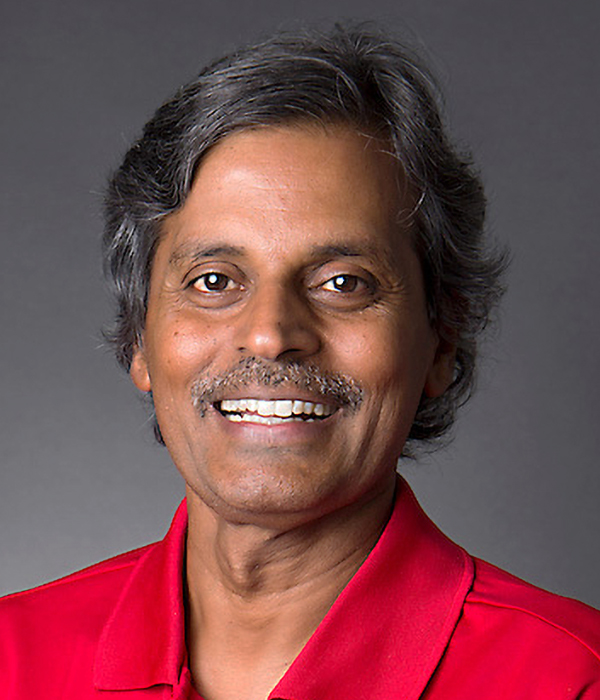
Ramaraj “Raj” Boopathy
Nicholls State University
Dr. Raj Boopathy is an Alcee Fortier Distinguished Service Professor of biological sciences at the Nicholls State University, USA. He received the Jerry Ledet Foundation Endowed Professorship in Environmental Biology in 2002 and John Brady Endowed Professorship in 2012. He has more than 35 years of research experience in the area of bioremediation and bio-processing. His research involves bioremediation of hazardous chemicals including oil spills and explosives, biological treatment of wastewater, antibiotic resistance genes in the environment, and bio-ethanol production. He has published more than 250 research papers in peer- reviewed journals and 25 book chapters. He edited three books. His research work has been cited more than 13,000 times with a h-index of 60 and an i10 index of 180. He is the editor of the journal, Environmental Quality Management, Current Pollution Reports, Applied Nano, and Applied Sciences. Raj has been elected as a Fellow of various societies including International Union of Pure and Applied Chemistry (IUPAC), Society for Industrial Microbiology and Biotechnology (SIMB) and the International Forum on Bioprocessing (IFBioP). Raj was selected as a Fulbright Senior Scholar Specialist to visit various countries for next five years by the US State Department and he recently visited Malaysia and Indonesia as a Fulbright Specialist. Raj received Waksman Award from SIMB. Raj is a longstanding member of SIMB. He served as the member and Chair of SIMB Awards and Honors Committee and as the program chair for Environmental Microbiology Session for the SIMB 2018 Annual Meeting.
Charles Thom Award
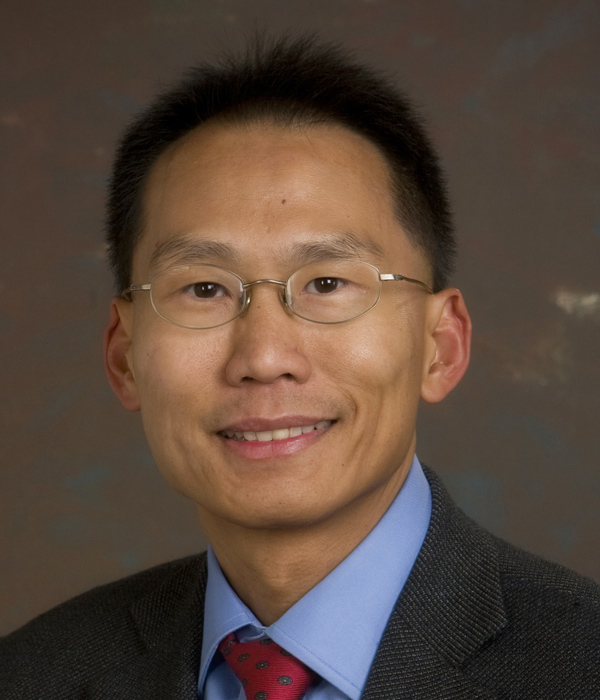
Wilfred Chen
University of Delaware
Professor Wilfred Chen joined the University of Delaware in January 1, 2011 as the Gore Professor of Chemical Engineering. He obtained his B.S. degree from UCLA in 1988 and his Ph.D. from Caltech in 1993, both in Chemical Engineering. After one-year postdoc in Switzerland, he joined UC Riverside in 1994. He was Professor of Chemical and Environmental Engineering and the holder of Presidential Chair until he joined Delaware in 2011. His research interests are in Synthetic Biology and Protein Engineering. Prof. Chen has published more than 290 journal papers and delivered over 100 invited lectures. He serves on the editorial board for many scientific publications including Applied and Environmental Microbiology and Biotechnology and Bioengineering. He is also the editor/associate editor for Biochemical Engineering Journal, Biotechnology Journal, and AICHE Journal. He is a fellow of the American Association for the Advancement of Science (AAAS), American Chemical Society, and the American Institute for Medical and Biological Engineering (AIMBE).
Prof. Chen has also received numerous awards, including NSF Career Award, AIChE Food, Pharmaceutical, and Bioengineering Division 15c Plenary Lecture, Biotechnology Progress Award for Excellence in Biological Engineering Publication, Daniel I.C. Wang Award for Excellence in Biochemical Engineering from AICHE/SBE, Marvin J. Johnson Award in Microbial & Biochemical Technology from ACS, the AICHE Food, Pharmaceutical & Bioengineering Division Award, and the SIMB Charles Thom Award.
Early Career Award
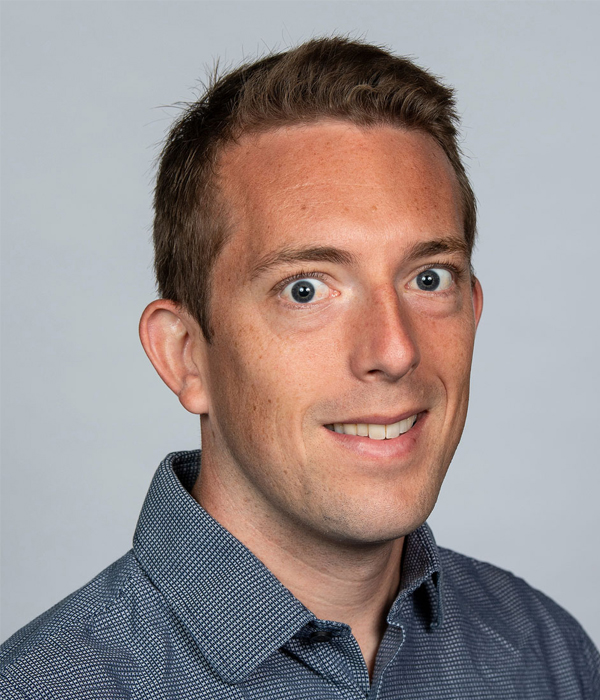
Benjamin “Ben” Woolston
Northeastern University
Dr. Woolston joined the Northeastern University Chemical Engineering department as an Assistant Professor in January 2020. He obtained his B.Sc. in Chemical Engineering at The Pennsylvania State University. As an NSF Graduate Research Fellow, Dr. Woolston received his PhD in Chemical Engineering in 2017 from MIT under the guidance of Prof. Greg Stephanopoulos. His Post-doctoral work was conducted in the laboratory of Prof. Emily Balskus in the Chemistry & Chemical Biology department at Harvard University. At Northeastern, his research program combines approaches from his previous training in metabolic engineering, synthetic biology, biochemistry and microbiology to engineer microbes for biofuel & biochemical production from single-carbon feedstocks, and as diagnostics and therapeutics in the Human gut microbiota. He has authored 28 publications and one patent, and serves on the editorial boards of Metabolic Engineering Communications, the Journal of Industrial Microbiology & Biotechnology, and Systems and Synthetic Biology. He is also the winner of the International Metabolic Engineering Society Jay Bailey Young Investigator award, the Biotechnology and Bioengineering Daniel I.C. Wang award, an NIH NIBIB Trailblazer Award, and an Office of Naval Research Young Investigator Award. Outside the lab, he is an avid tennis player and triathlete, completing his first Ironman in 2018.
SIMB Fellowship Status
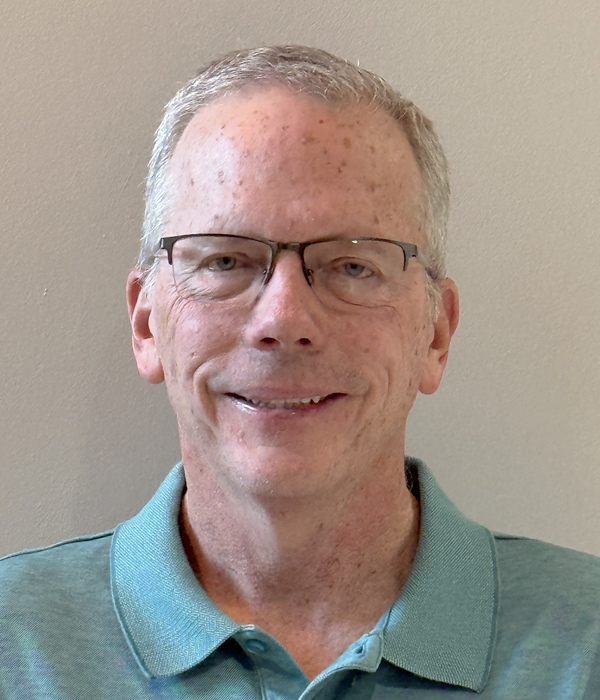
Tim Cooper
Brazen Snake Bio
Dr. Cooper has converted 30+ years of fermentation and DSP experience into a new consulting business for biotechnology, Brazen Snake Bio. Getting there has been a joyful adventure of learning and making the planet a better place.
Novozymes played a key role in his career trajectory. Developing and launching process improvements and pushing production limits became addictive – first with enzyme production and returning later to start up an R&D effort for Microbials (Probiotics). As Director of Fermentation & Recovery at Wyeth/Pfizer, his group solved multiple process issues to help launch Prevnar 13, the most complex pharmaceutical of its day: a 13-valent (13 APIs) vaccine that has saved the lives of countless infants.
Dow Agro (Corteva) pushed the limits of scale-up understanding. Dr Cooper’s team inherited a legacy of failed production launches for new versions of a viscous, filamentous, aerobic bacterium. Directing a scale-up effort that spanned from microtiter plate to pilot fermentors, the predictive shortcomings of each step were identified and adjusted, leading to a new platform. For the first time since launch, improved strains were continually delivered, dramatically driving down cost for Spinosyn, a game-changing, organic insecticide vital to the agriculture industry. The effort received Dow’s “Increase the Slope” award for most impactful laboratory.
Dr Cooper’s latest challenge has not disappointed. It centered around combating our planet’s plastic problem by introducing poly-hydroxyalkanoates (PHA), plastics that are both biodegradable and made from renewable substrates. As Sr Director of Fermentation for Danimer Scientific, his team was tasked with developing multiple processes, each producing a PHA with unique properties, and then scaling each fermentation predictably, without impacting polymer properties. Scale-up volumes were enormous – approaching the limits for aerobic fermentation. Witnessing the first-ever sustained commercial launch for PHA products was a crowning achievement for all involved.
SIMB Fellowship Status
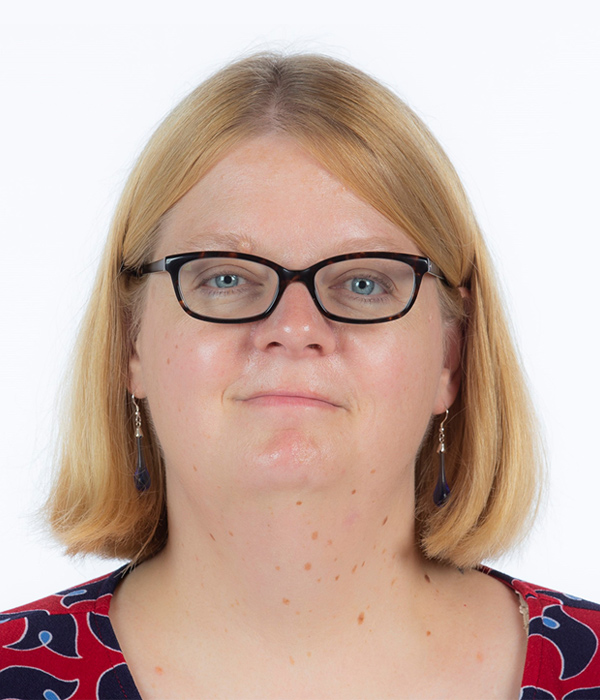
Laura Jarboe
Iowa State University
Laura Jarboe is the Cargill Professor of Chemical and Biological Engineering at Iowa State University and Director of the Iowa NSF EPSCoR project “Chemurgy 2.0: Meeting human needs with things that grow”. She received her B.S. degree in Chemical Engineering from the University of Kentucky and PhD in Chemical and Biological Engineering at University of California, Los Angeles, followed by a 2-year postdoctoral training in Microbiology and Cell Science at the University of Florida. She has previously served as an Associate Editor for Applied Microbiology and Biotechnology and as Treasurer for SIMB.
SIMB Fellowship Status
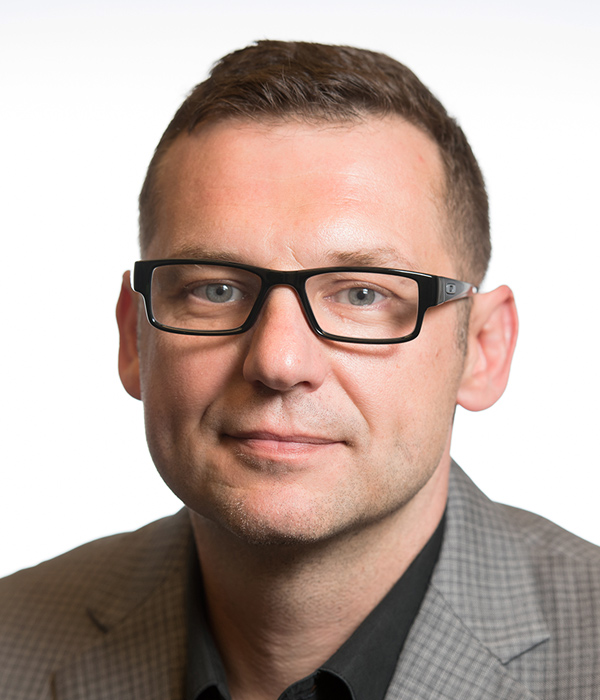
Alexander “Alex” Beliaev
Pacific Northwest National Laboratory
Dr. Alexander S. Beliaev is a distinguished microbiologist and Senior Scientist at the Pacific Northwest National Laboratory (PNNL), with broad expertise in systems microbiology, synthetic biology, and microbial physiology. He serves as the Integrated Research Platform Lead at the Environmental Molecular Sciences Laboratory (EMSL), where his research focuses on developing and applying advanced technologies to investigate multicellular microbial systems at single-cell resolution. With a PhD in Microbiology from the University of Massachusetts, Amherst, and postdoctoral training in Microbial Functional Genomics at Oak Ridge National Laboratory, Dr. Beliaev’s work over the past two decades has centered on uncovering natural design principles across biological scales to enable rational engineering of living systems. His research leverages systems-level insights and simulation-based modeling to enhance the design-construct-test cycle, driving the development of engineering platforms for the production of biofuels, biomaterials, and bioproducts. A prolific contributor to the scientific community, Dr. Beliaev has published widely in leading journals such as Nature and PNAS. His international academic experience includes an appointment as Professor at Queensland University of Technology, exemplifying his global commitment to advancing research in microbial systems engineering and energy innovation.
Waksman Outstanding Teaching Award
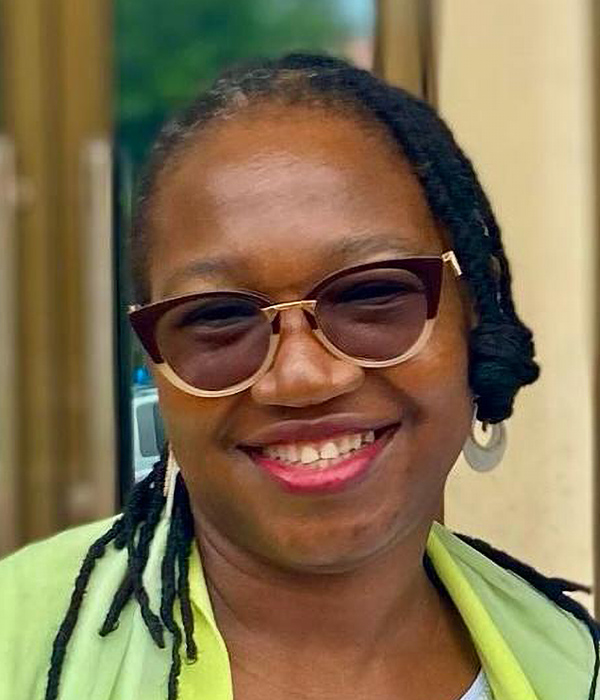
Tochukwu Nwamaka Nwagu
University of Nigeria
Tochukwu Nwamaka T. Nwagu is a Full Professor in the Department of Microbiology at the University of Nigeria, Nsukka (UNN). Her research has focused extensively on enzyme stabilization technologies, waste valorization, biofuel production, and food fermentations. She completed pre and postdoctoral fellowships in Life and Applied Sciences at the University of Tsukuba, Japan, and in Industrial Microbiology and Biotechnology, University of Stellenbosch, South Africa. Dr. Nwagu leads an active research program, mentoring numerous graduate students and publishing over 70 peer-reviewed papers. She has served as a postgraduate external examiner for many universities in Nigeria, Botswana, and South Africa. Dr. Nwagu has taught and continues to teach a variety of courses in food and industrial microbiology and biotechnology at the University of Nigeria and other institutions. Her classes primarily cover topics such as microbial metabolite production, food safety, sustainability, waste management, biofuel, bioentrepreneurship, and the commercialization of fermented food products.
She has won several awards and grants including the 2014 Vice Chancellors award, TRECCAfrica Staff Scholarship award in 2014, UNN travel grant to the 2016 China-Japan-Korea Joint Symposium on Enzyme Engineering in Guanzhou, China, Applied Microbiology International (AMI) President Fund’s grant for the SIMB RAFT conference in 2018 and the TETFUND travel grant for the 2023 World Sustainability Conference at the University of Birmingham, UK. Dr. Nwagu is a dedicated mentor and advocate for students and young scientists. She is currently a mentor for Women in Food and Agriculture and has led the University of Nigeria’s Annual Microbiology Day celebration for the past three years, strengthening student-alumni connections and promoting academic excellence.
Dr. Nwagu has served and continues to serve in many leadership and volunteer roles. She is currently the President, Foundation for African Development through International Biotechnology (FADIB), UNN chapter. She was the Local Organizing Committee Chairperson for the 31st Annual FADIB Conference (2024-2025). She also served as the Welfare Committee Chairperson for several conferences including Nigerian Society for Microbiology (2014), FADIB (2016), South East Zonal Symposium of Microbiologists (2024) and International Conference for Water in Africa (2021-2025). Her other leadership roles in the Microbiology Department, University of Nigeria include Chairperson Research Committee, Postgraduate Research Seminar Coordinator and Research Project Coordinator. She is an active member of many international societies including Applied Microbiology International, American Society for Microbiology and Microbiology Society, UK. Dr. Nwagu is currently an Associate Editor for Discover Applied Sciences, Springer Nature and a consultant for Oma’s Whole Foods, Nigeria.
Diversity Travel Award
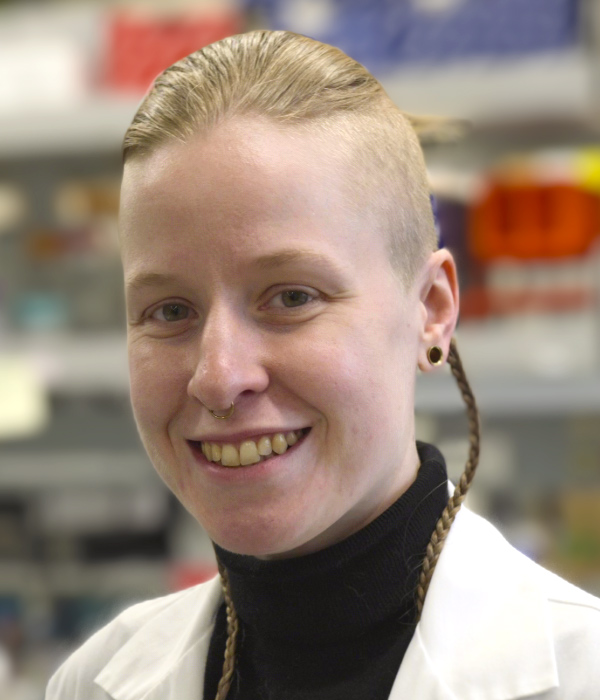
Darcy Hunstiger
Colorado State University
Darcy is a 4th year PhD candidate studying Cell and Molecular Biology at Colorado State University. Darcy’s dissertation work focuses on engineering cyanobacteria to 1) better produce renewable commodity metabolites and 2) to be more stress tolerant and form robust biofilms for novel growth applications. Darcy, a current USDA-NIFA predoctoral fellow, has been honored with various fellowships and awards during graduate school, including being a Dept of Energy AlgaePrize finalist and an NSF-GRFP recipient. Outside of the lab, Darcy nurtures a passion for science communication and translational science through a long-term internship in technology transfer and business development at CSU STRATA’s Lab to Life Venture Studio, working as a non-dilutive funding specialist, providing coaching and editing expertise to help startups secure funding and resources. Beyond professional life, Darcy is an avid martial artist, pen and ink artist, and enjoys time with family and pets.