


Keynote Speaker
The Enzyme You Need Doesn’t Exist. Yet
Industrial biomanufacturing is frequently bottlenecked by the functional boundaries of natural enzyme scaffolds. For decades, the field has relied on directed evolution – a strategy of incremental improvement constrained by local optima and few natural starting points. However, the wider adoption of biocatalysis in complex manufacturing processes requires enzymes that can operate efficiently on new-to-nature reactions, non-natural substrates and under extreme processing conditions.
To address these limitations, Biomatter uses a unique blend of physics and generative AI – the Intelligent Architecture™ platform – to engineer enzymes beyond the reach of traditional evolution. Our approach integrates the best of physics-based modeling and data-driven design to access entirely new evolutionary space. This allows for the simultaneous optimization of catalytic function, thermodynamic stability, and industrial manufacturability from the onset of design.
We have successfully demonstrated the versatility of this platform across distinct chemical challenges, including the redesign of enzymes for enzymatic DNA synthesis, precision fermentation of complex Human Milk Oligosaccharides (HMOs) and mRNA raw materials. In summary, we show that the synergy of physics and generative AI enables the creation of previously impossible biocatalysts that unlock efficiency and scalability in pharmaceutical manufacturing, sustainable materials, and nutrition.
Biography
Irmantas Rokaitis is the Co-Founder and CTO of Biomatter, a company pioneering the technologies for generative enzyme design. His work focuses on the intersection of synthetic biology and artificial intelligence to program new proteins for health and sustainable manufacturing applications. He was recognised in the Forbes 30 Under 30 Europe list (Science & Healthcare) in 2022 for his contributions to the field. Additionally, he and his team were finalists for the European Patent Office’s Young Inventors Prize in 2025. Prior to his leadership role at Biomatter, Irmantas worked as a scientist at the Institute of Biochemistry in Vilnius, contributing to the development of high-throughput enzyme technologies. He holds an M.Sc. in Biochemistry from Vilnius University, graduating magna cum laude.
Irmantas Rokaitis
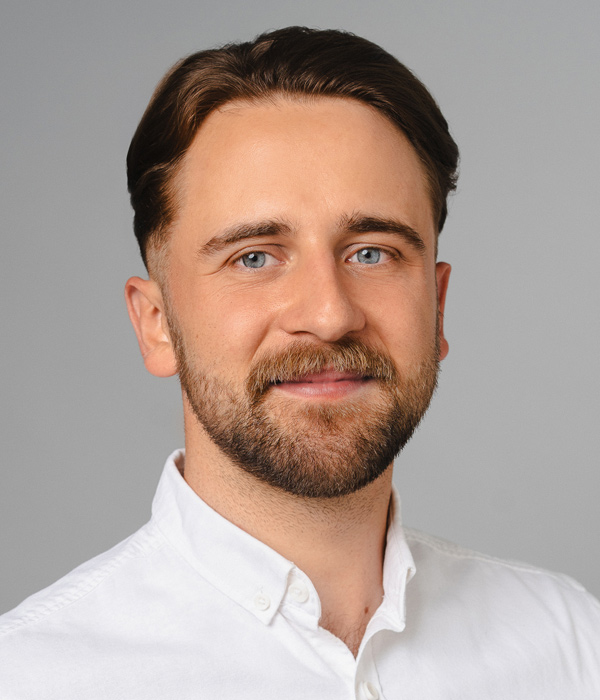
CTO and Co-Founder
Biomatter
Charles Thom Awardee Lecture
Mining Microbial Dark Matter: From the Oral Microbiome to Novel Biocatalysis
This lecture highlights our group’s approach to expanding the natural product landscape by intertwining ecological discovery with the elucidation of rare biosynthetic mechanisms. We will explore how mining the underexplored human oral microbiome uncovers bioactive small molecules that dictate the “socio-chemical” dynamics of health and disease. In tandem, we also investigate the complex biosynthetic logic and enzymatic machinery governing unique molecular scaffolds, highlighted by our characterization of rare N–N bond-forming enzymes. Together, these studies demonstrate how decoding nature’s diverse synthetic strategies enables the production of useful molecules and probiotics and expands the modern biocatalytic toolkit for industrial biotechnology.
Dr. Wenjun Zhang, is the Charles R. Wilke Endowed Chair and Professor in the Departments of Chemical and Biomolecular Engineering and Chemistry at the University of California, Berkeley. She earned her Ph.D. at UCLA under Yi Tang and completed postdoctoral training at Harvard Medical School with Christopher T. Walsh before joining UC Berkeley in 2011. The Zhang Lab operates at the interface of chemical biology and industrial microbiology, focusing on natural product discovery, biosynthesis, engineering, and functional study. Dr. Zhang has been recognized with many honors, including the Presidential Early Career Award for Scientists and Engineers (PECASE), the NIH Director’s New Innovator Award, the Sloan Research Fellowship, and the Pew Scholarship.
Wenjun Zhang
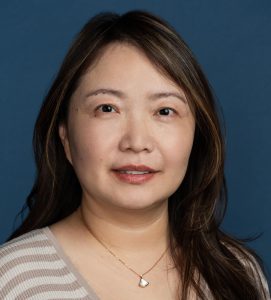
University of California, Berkeley
Korean Society for Microbiology and Biotechnology (KMB) Lecture
Introduction to the Korean Society for Microbiology and Biotechnology
Dr. Heejoon Myung is a leading microbiologist and biotechnology expert specializing in bacteriophage research and alternative antibacterial therapeutics. As a Professor at Hankuk University of Foreign Studies, CEO of LyseNTech, and Director of the Bacteriophage Bank of Korea, he drives global innovations in fighting drug-resistant bacterial pathogens.
Dr. Heejoon Myung is a prominent microbiologist specializing in bacteriophage biology and engineered endolysins. He is a Professor of Bioscience and Biotechnology at Hankuk University of Foreign Studies (HUFS), where he has taught since 1994, and currently serves as President of The Korean Society for Microbiology and Biotechnology.
Dr. Myung’s academic journey began at Seoul National University, where he earned his B.S. in Microbiology in 1987. He then attended the University of Illinois-Urbana/Champaign to receive his M.S. (1989) and Ph.D. (1992) in Microbiology. He further honed his research expertise as a postdoctoral fellow at the University of California-Berkeley from 1993 to 1994.
A recognized authority in his field, Dr. Myung has been the Director of the Bacteriophage Bank of Korea since 2010, managing a repository of over 3,000 bacteriophages. In 2019, he founded LyseNTech to commercialize novel phage-based therapies. His international leadership includes serving as a Chief Investigator for Phage Australia and as an editor for leading journals like Frontiers in Microbiology and Viruses. Previously, he served as the Dean of Research Affairs at HUFS (2016–2019) and as Secretary General of The Korean Society of Microbiology and Biotechnology.
Dr. Myung’s research focuses on deciphering phage biology and developing targeted protein therapeutics (such as engineered endolysins) to combat drug-resistant, Gram-negative bacterial infections. Over the last five years, he has co-authored numerous high-impact studies, including structural and functional analyses of tail fiber proteins and combination therapies of endolysins with conventional antibiotics. He holds 14 patents in the field, including the 2024 U.S. patent for “Novel polypeptides and antibiotics against Gram-negative bacterium comprising the same.”
Heejoon Myung
KMB President
Harnessing Bacteriophage-Derived Bioreceptors for Rapid Detection of Foodborne Pathogens
Multidisciplinary research efforts have focused on developing novel biosensor methods that enable rapid, user-friendly, specific, sensitive, and in-situ detection. A phage-based magnetoelastic (ME) biosensor has been investigated for detecting foodborne pathogens on fresh produce because phages offer an excellent specificity, low inherent toxicity, adaptability to their bacterial hosts, tolerance to harsh environmental conditions, and relatively simple and inexpensive production. Therefore, the identification and characterization of suitable phages as a bioreceptor are essential initial steps in the development of ME biosensors. The performance of phage-based bioreceptors has primarily been evaluated in terms of binding affinity, specificity, and stability. In this study, a genetically modified filamentous phage and a wild-type tailed phage were comparatively evaluated using a previously developed signal-enhanced ME biosensor. The tailed phage exhibited stronger binding interactions with the target bacteria and higher binding affinity on the sensor surface while maintaining stable binding performance under low-humidity conditions. Furthermore, a user-friendly, signal-enhanced ME biosensor was newly constructed, consisting of three sensors, a movable pencil-type planar spiral coil, and a set of hand-held signal amplifiers. The integration of the humidity-tolerant tailed phages with the signal-enhanced ME biosensor enabled the robust and reliable detection of S. Typhimurium as well as E. coli O157:H7 on fresh produce. Overall, this approach provides a comprehensive framework for selecting and developing phages as novel bioreceptors and integrating them into an automated, direct, and in-situ detection platform, thereby facilitating the future development of system for the simultaneous detection of multiple foodborne pathogens.
Dr. Park earned her Ph.D. in Food Science and Nutrition from Auburn University, where her doctoral research focused on developing microscopic imaging systems for the rapid detection of Salmonella in raw poultry. She holds a Master of Science in Food Science and Technology from Korea University, where she investigated the blood anticoagulant properties of marine polysaccharides.
- Food Packaging and Shelf Life (2025): Research on industrial-scale blown active packaging films utilizing essential oils for instant noodle applications.
- Sensors and Actuators B: Chemical (2023): Development of user-friendly, planar spiral coil-based magnetoelastic biosensors for detecting Salmonella and E. coli on fresh produce.
- Biosensors and Bioelectronics (2023): Innovation in phage-targeting bimetallic nanoplasmonic biochips using bacterial outer membranes.
- Food Chemistry (2023): Evaluation of humidity-robust phages on surface-scanning biosensors for foodborne pathogen detection.
Mi Kyung Park
Professor, Kyungpook National University (KNU)